Week 1A Term 1
 Call Kai
 Learn
 Practice Test
 Spaced Repetition
 Match
 Flashcards
 Knowt Play
1/100

There's no tags or description
Looks like no tags are added yet.
101 Terms
















Cellular Respiration


























For normal cell function:
• Cells must be continually supplied with materials they need e.g. oxygen and glucose).
•And products produced by cells need to be removed. Metabolic products, including wastes (e.g. CO2), hormones and enzymes, must be continually removed.
The cellular environment
Cells are surrounded by extracellular fluid
•Material is continually exchanged between:
•blood capillaries (plasma) and tissue (interstitial) fluid.
•Tissue/interstitial fluid and cells (intracellular fluid).
•Excess tissue fluid drains away through lymph capillaries.
Introducing the cell membrane
§The cell membrane (or plasma membrane) is the outer boundary of a cell.
§The cell membrane is selectively permeable (or differentially, or semi) – i.e. it allows some substances to pass through more easily than others.
The fluid mosaic model
Scientific models are used to explain and predict the behaviour of real objects or systems. The cell membrane is described using the fluid mosaic model.
•The membrane is said to be fluid as the molecules within the membrane are constantly changing position.
•Mosaic as it is composed of many different molecules.
The structure of the cell membrane
The membrane is a phospholipid bi-layer (i.e. two layers of phospholipid molecules).
• The phosphate ‘head’ of the phospholipid molecules are hydrophilic (attracted to water), and form the outer and inner boundaries of the membrane.
• The lipid ‘tail’ of the phospholipid molecules are hydrophobic (repelled by water), and form the inner layer of the membrane.
The structure of the membrane
The phospholipid bi-layer also contains the steroid compound cholesterol, which maintains the stability of the membrane.
A variety of protein and carbohydrate (glyco) molecules are embedded in the membrane.
Functions of the cell membrane
The cell membrane:
physical barrier - isolates the cell from the surrounding tissue (tissue fluid or intercellular fluid or extracellular fluid).
regulation of passage of materials, determines what substances enter and leave the cell, e.g. ions, nutrients (glucose)
The functions of the cell membrane
Sensitivity - contains a variety of receptors that respond to substances in the cell’s environment e.g. receptors respond to hormones.
Support – microfilaments of the cytoskeleton and connections between adjacent cells.
Diffusion through the membrane
Because the cell membrane is fatty, most water soluble substances pass through via channel proteins.
Exceptions include oxygen & carbon dioxide.
Membrane proteins
A variety of proteins are embedded in the bi-layer.
These serve various functions including the movement of substances in and out of the cell.
Membrane proteins
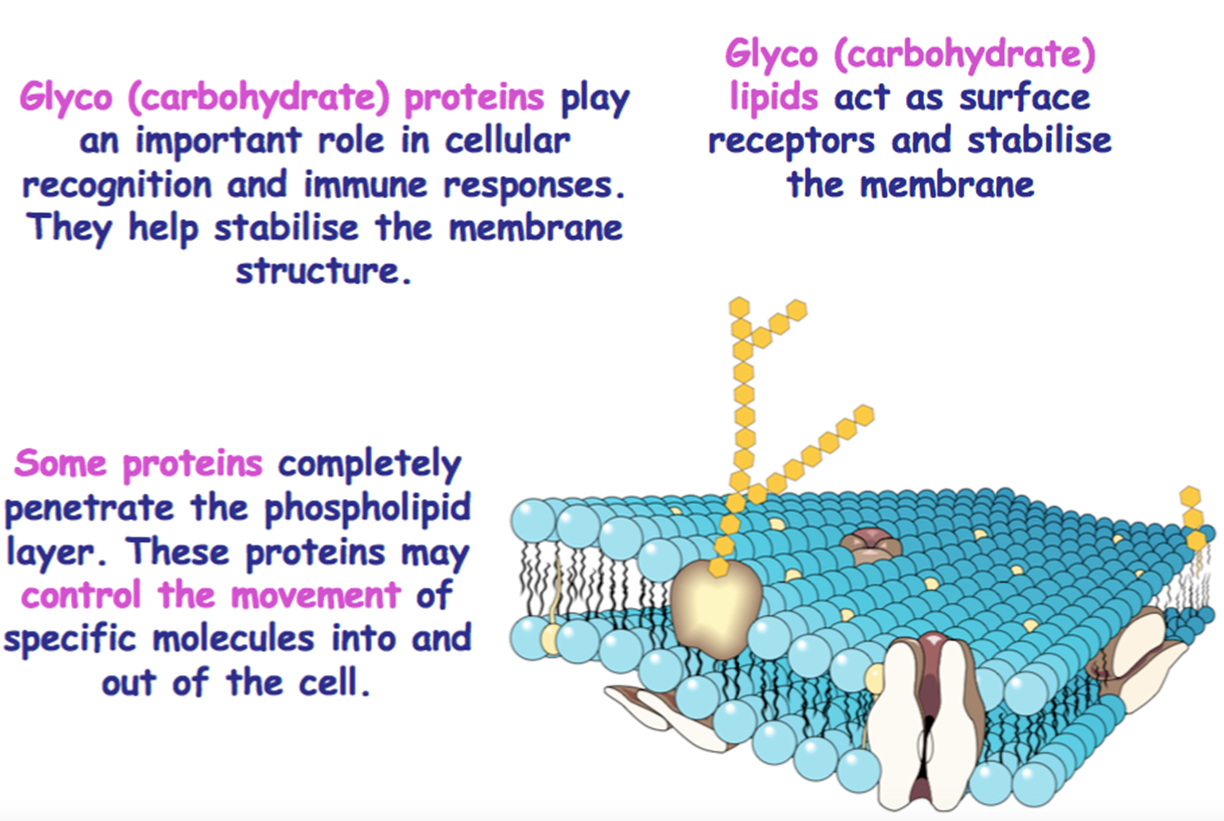
Transport proteins
Membrane proteins that aid the movement of substances in and out of the cell include:
• Channel proteins (ion channels) – open channels that allow simple diffusion, e.g. water, ions.
• Carrier proteins that allow facilitated diffusion (e.g. glucose) and active transport (specific membrane pumps).
ACTIVE TRANSPORT
Cellular energy required. (ATP)
Molecules moved across cell membrane against the concentration gradient (this is why they need energy – from low concentration to high concentration
Carrier proteins or changing shape of the cell membrane involved.
Carrier Proteins - Ion Pumps
Actively move ions across the membrane (e.g. Na+, K+)
Control the concentration of ions in a cell.
Required to generate and transmit a nervous impulse in neurons.
use energy to changes its shape (example+explain)
VESICULAR TRANSPORT (BULK TRANSPORT)
Materials move into & out of cell enclosed in vesicles.
Vesicles are bubble-like structures surrounded by a membrane.
The membrane can
form at the cell membrane (in endocytosis which is import of materials)
or
fuse with the membrane (in exocytosis which is export of materials).
makes it in the cell, puts it in vesicle
ENDOCYTOSIS – movement into the cell
Infolding of the cell membrane
Cell membrane surrounds extracellular material (material outside cell) & breaks away, so the material is enclosed inside membrane in a vesicle.
Endocytosis of solid particles is phagocytosis – a function of specialised cells only e.g. leucocytes which engulf and digest bacteria.
Endocytosis of liquid particles is pinocytosis – a function of all cells.
Endocytosis
There are two types of Endocytosis
Pinocytosis – membrane encloses fluid
Phagocytosis – encloses solids
The cell forms a vacuole which buds off to from a vesicle.
EXOCYTOSIS – MOVEMENT OUT of the cell
Contents of a vesicle pushed out through cell membrane.
Membrane around vesicle fuses with cell membrane.
Vesicle contents released from cell.
Can be waste or secretion (e.g. breast milk, saliva, digestive enzymes from gland cells).
Cells
cells are the basic structural and functional units; each type having a different structure and function that carry out the life processes (respiration, ingestion, excretion, response, growth, reproduction, movement)
The cell membrane
The cell membrane separates the cell from its surroundings with a structure described by the fluid mosaic model which allows for the movement of materials into and out of the cell by osmosis, simple diffusion, facilitated diffusion, active transport and vesicular transport (endocytosis/exocytosis)
Receptors
A molecule inside or outside the surface of a cell that comes into contact with the foreign substance and tells the cell what that substance is
marker proteins
extend across the cell membrane and serve to identify the cell
substances the move through cell membrane (diffusion)
oxygen and carbon dioxide
substances that can go through carrier proteins
sugars, amino acids and nucelosides
substance that can move through channel proteins
sodium, potassium and calcium
vescular
proteins, hormones (large molecules)
The cell
cell organelles maintain life processes and require the input of materials and the removal of waste to support efficient functioning of the cell.
Surface Area
As size of an object increases the ratio between the surface area and volume decreases.
Rate materials enter and leave the cell depends on surface area
Rate materials are used or produced depends on the volume
Substances being removed and absorbed
Substances being removed and absorbed Substances must be absorbed by the cell and waste products must be removed.
The rate at which this occurs is determined by the surface area of the cell.
If the cell gets too large
If the cell gets too large and the ratio of Surface Area to Voluame decreases it can’t take in the essential materials or excrete the waste fast enough….. So it must divide.
To function efficiently most cells have to be microscopic
How Surface Area to Volume Ratio Limits Cell Size
The greater the surface area the larger the amount of raw materials that can enter at only one time.
How Surface Area to Volume Ratio Limits Cell Size
• As a cell grows its SA/V decreases.
•At some point in its growth its SA/V becomes so small that its surface area is too small to supply its raw materials to its volume. At this point the cell cannot get larger.
large SA
absorb quickly
small vol
get inside cell quickly
TISSUES
A tissue is a group of cells that are similar in structure and work together to carry out a particular task.
There are four categories of tissues:
1.Epithelial tissue
2.Connective tissue
3.Muscular tissue
4.Nervous tissue
Epithelial tissue
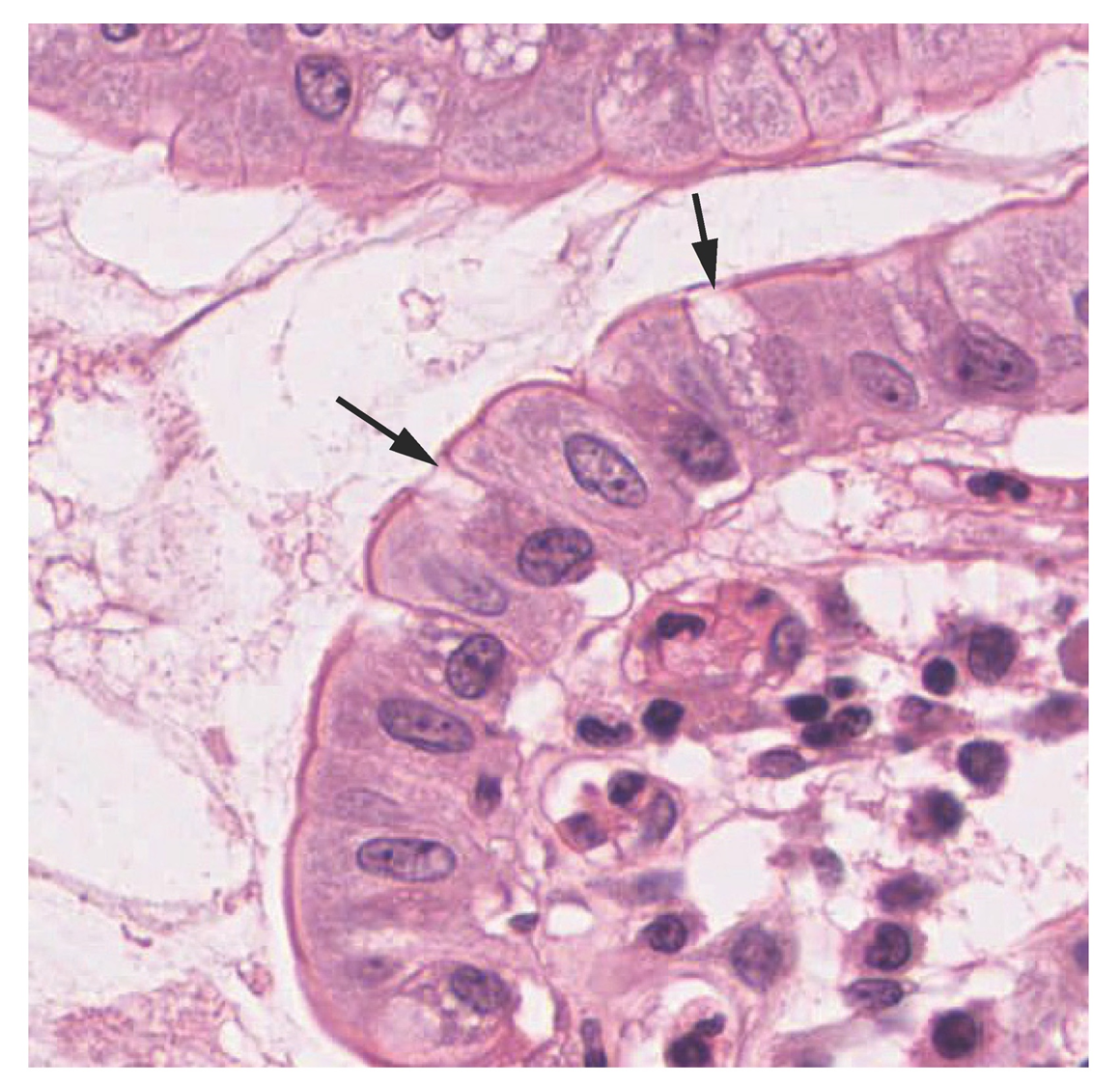
Epithelium is a lining tissue.
Epithelial cells are closely joined together – forming a smooth surface.
Types of epithelial cells
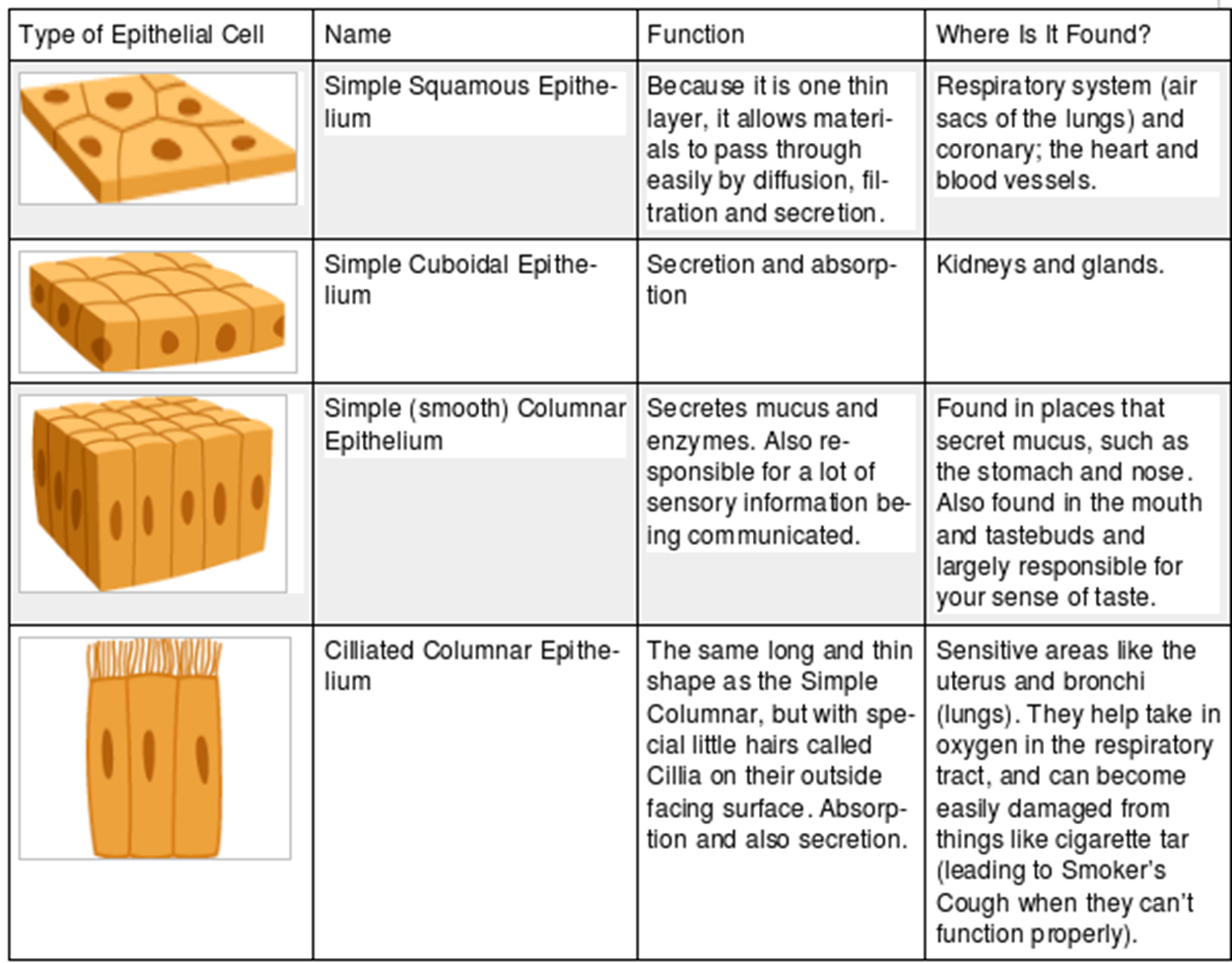
Epithelial
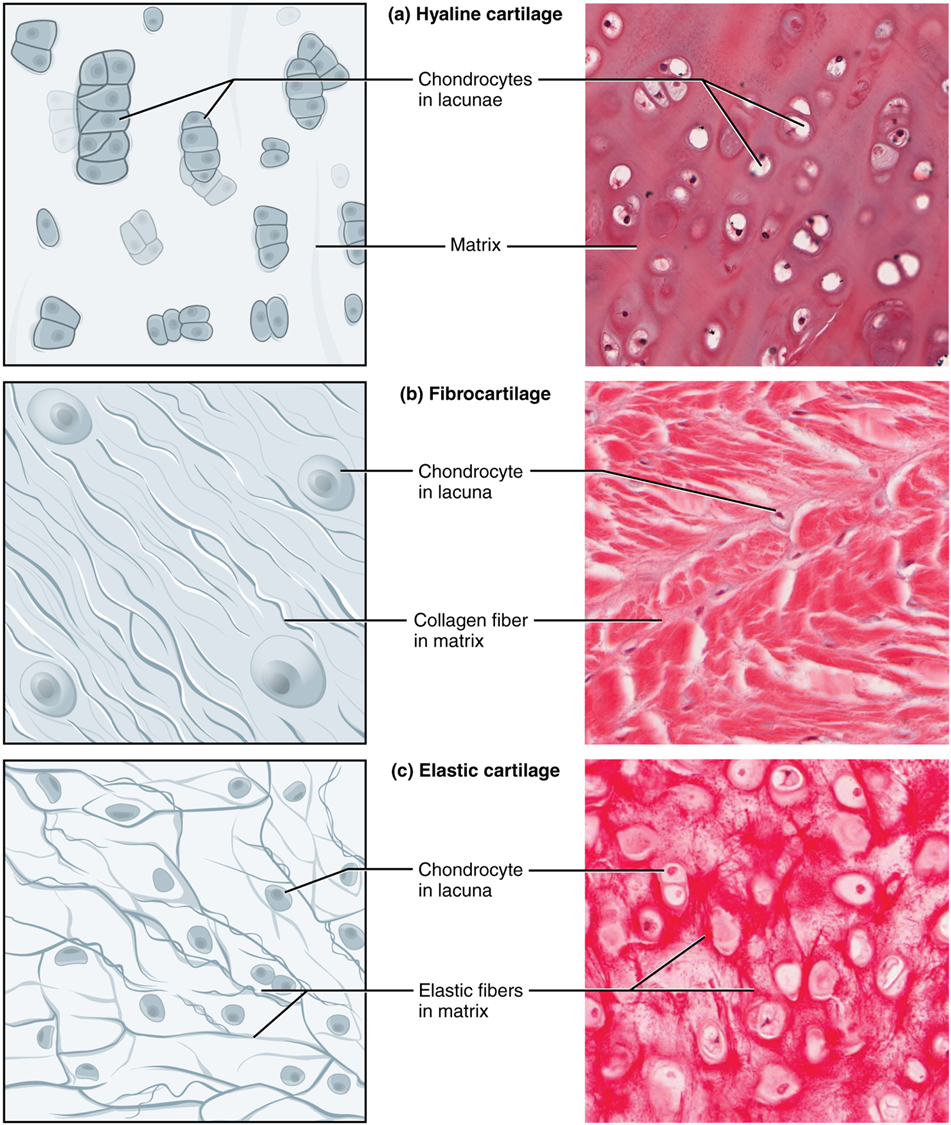
Connective tissue
Function: Support the body
Features:
§Cells are spaced apart and surrounded by matrix.
Examples:
§Bone, tendon, cartilage, tendons, ligaments & blood!
Connective tissue
Muscular tissue
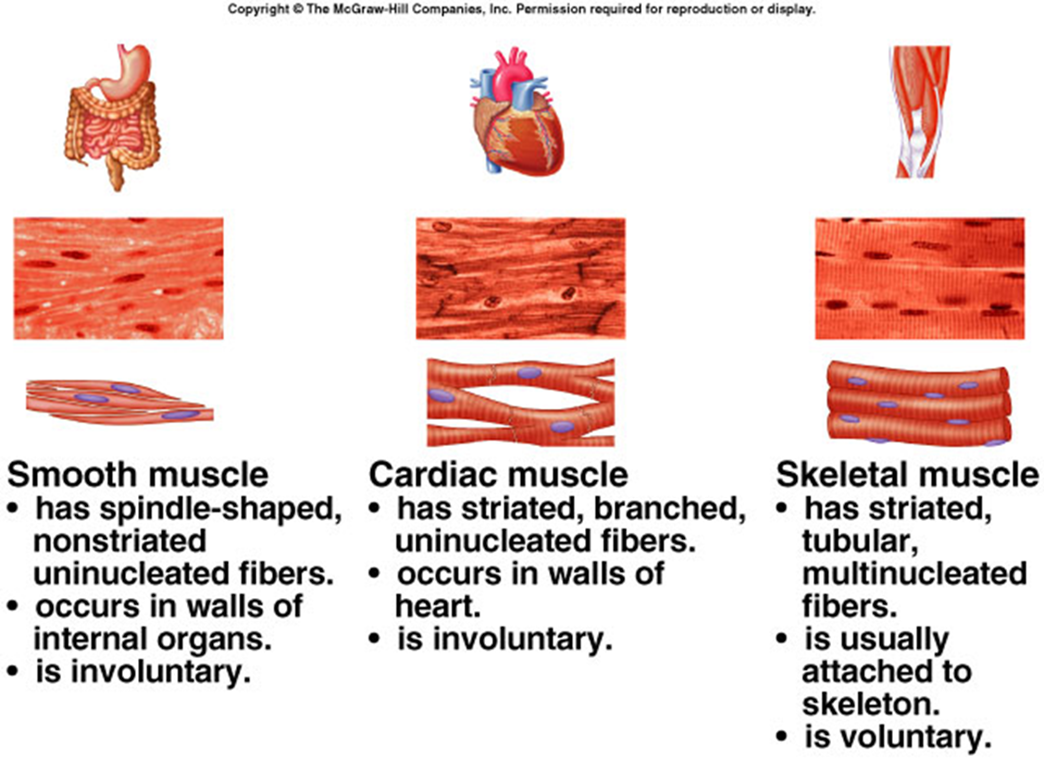
Function: Produce movement through contraction.
There are 3 main types
1.Skeletal (striated) muscle
2.Involuntary (smooth) muscle
3.Cardiac muscle.
Nervous tissue
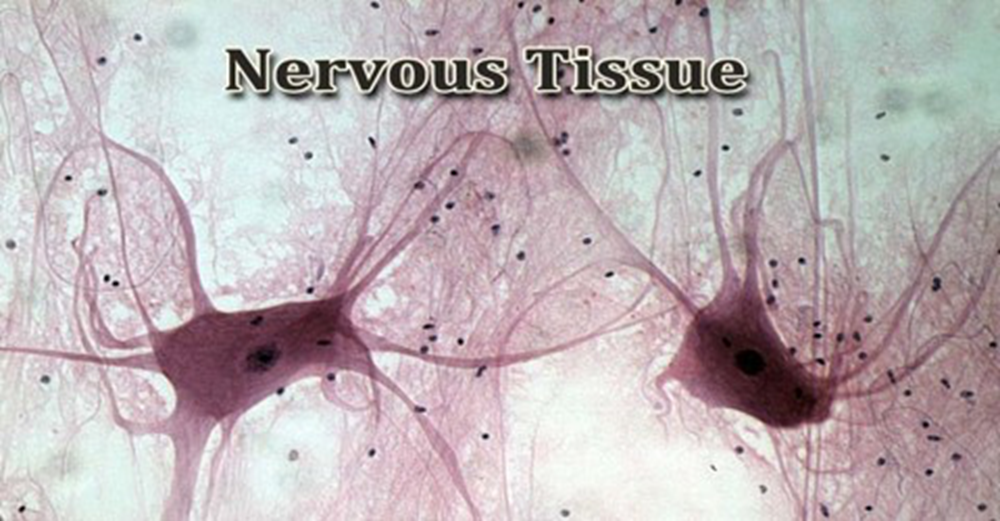
Function: to carry messages (electrical impulses) around the body.
Examples: Brain, spinal cord, nerves
variables
A variable is anything that can change.
Look around the room – what things
are different between people?






A good hypothesis:
o Is a definite statement, not a question
o Is short
o Has a single idea that can be tested
o States the predicted relationship between the independent and dependent variable.
Graphing data
q a TITLE!
q The dependent variable drawn on the down axis (with a title and units)
q The independent variable drawn on the sideways axis (title and units!)
q A suitable scale
q A accurate plotting
qA key (if required)
VALIDITY
Testing what it is supposed to test. Having a method which controls all variables and tests the hypothesis.
control variables
clear method
does it find what you want to actually collect
RELIABILITY
The extent to which an experiment gives the same results each time.
Increased by repetition (repeat trials )and replication (replicate whole experiment).
does your assessment tool give you the same results all the time
Ethical experimentation - humans
Ethics are a set of moral principles or values.
Ethical behaviour is behaviour that conforms to those principles or values.
Each Australian university or research institute is required to have an ethics committee for humans and animals.
The committee members represent a wide variety of interests and there must be some members who have no links to the university or institution.
Humans – informed consent
Participants should be fully informed about:
qthe objectives of the research
qthe procedures to be followed
qany possible risks and the potential benefits;
consent (in writing) should only be sought after all information has been given
Humans – the risk of harm
For some research, such as testing new drugs, it is difficult to ensure that there is no risk that participants will be harmed, but the possibility of harm should be minimised and the relationship between the risk and the benefit should be carefully assessed
Humans - confidentiality
Procedures need to be adopted to ensure that the identities of participants will not be revealed except to people directly involved in the study
Humans – Anonymity
anonymity — a stronger guarantee of privacy than confidentiality;
The participants in the study remain anonymous, even to the researchers.
Because of the nature of some research anonymity may not be possible; for example, where measurements must be made on participants over an extended period of time.
double blind study
HUMANS – THE PLACEBO EFFECT
Placebos are used in medical research to test the effectiveness of medical treatments.
It is an inactive substance that is given to a control group for comparison.
The placebo effect can occur when the subject experiences an improvement because they believe that they are receiving a real drug.
Animal ethics
The use of animals for research can provide essential insights into
• how a gene or protein functions
• whether a drug will be safe and effective in humans.
No new drugs can be used in humans without pre-clinical animal studies.
Ethical considerations over the use of animals for research focus on animal welfare.
Animal use for research in Australia is governed by strong ethical principals and strict conditions that are continuously policed and reviewed.
Animal ethics
Most vaccines/medications are tested on animals
AGAINST:
•Causing pain to another creature is not morally acceptable.
•Lives of animals have value and must be respected.
FOR:
•Society has an obligation to act to minimise harm and maximise benefits to humans.
•Discontinuing would benefit animals but could result in serious consequences for humans.
•Research has led to new vaccine and benefits to humans far outweigh suffering to relatively few animals.
line graph
to show relationship and monitor overtime
continuous data
column graphs
categories
histogram
continous data
frequency or ages
animal research
reduce the amount of animals in the trials
refine- change procedure to minimise harm (how they conduct studies) animal husbandry or method
replace- can we use tissue cultures
epithelial tissue
covers and lines external surfaces, internal organs and body cavities
connective tissue
binds and supports the other tissues of the body including adipose, cartilage, bone, tendons/ligaments and blood
muscular tissue
muscular tissue brings about movement (skeletal, cardiac, smooth)
nervous tissue
nervous tissue receives and transmits messages around the body
biochemical processes including anabolic and catabolic reactions in the cell
controlled in the presence of specific enzymes
metabolism
metabolism is the sum of all reactions in a cell
anabolic reactions
anabolic reactions use energy to build smaller substances into larger substances e.g. protein synthesis
catabolic reactions
release energy by breaking down large molecules into smaller ones e.g. .cell respiration. Provide examples of common catabolic and anabolic reaction.
cellular respiration occurs
in different locations in the cytosol and mitochondria, to catabolise organic compounds, aerobically or anaerobically, to store energy in the form of ATP
aerobic respiration
aerobic respiration requires oxygen for the complete breakdown of glucose to form carbon dioxide, water and energy. Consists of a series of steps (simplified): Glycolysis, Krebs Cycle (basic cycle) so one molecule of glucose produces 38 ATP molecules anaerobic respiration consists of Glycolysis only, producing 2 ATP and lactic acid
NET Diffusion
•Once the molecules are evenly spread, random molecular movement continues but the chances of collision are the same in all directions.
•Net diffusion is the overall direction in which molecules of a substance tend to move.
•There is no net diffusion when
molecules are evenly spread.
Diffusion
Diffusion is the tendency for particles to move from an area of higher concentration to an area of lower concentration.
Diffusion results from the random motion of atoms and molecules due to their kinetic energy.
Diffusion involves the movement of atoms & molecules in gases and liquids (specifically, solutes).
EXPLAINING DIFFUSION IN TERMS OF THE PARTICLE THEORY
Occurs in liquid & gases where molecules constantly move
Molecules move in straight lines in random directions.
Collisions between molecules and with the container change the direction of molecule movement (deflection).
As molecules move from an area of high concentration to an area of low concentration they have fewer collisions.
They stay on their straight paths longer and move further apart without being deflected.