Slides 17-20 for Bio Final
 Call Kai
 Learn
 Practice Test
 Spaced Repetition
 Match
 Flashcards
 Knowt Play
1/49

There's no tags or description
Looks like no tags are added yet.
50 Terms
Protist
Any eukaryote that is not a plant, fungus, or animal
Diplomonads and Parabasalids
protists part of excavata possessing modified mitochondria known as mitosomes or hydrogenosomes.
Kinetoplastids, Euglenids
protists part of Euglenozoans, part of excavata possessing spiral or crystalline rods inside flagellate
Diatoms, Oomycetes, Brown Algae
protists part of Stramenopiles part of SAR clade possessing hairy and smooth flagella
Dinoflagellates, Apicomplexans, Ciliates
protists part of Alveolates, part of SAR clade which have alveoli beneath plasma membrane
Red algae, green algae
protists part of Archaeplastida
slime molds, tubulinids, entamoebas
part of ameobozoans, part of unikonta

what is this
Giardia —> a parasite diplomonad part of excavata possessing modified mitochondria called mitosomes.

what is this
Trichomonas —>
A parasitic parabasalid part of excavata whose mitochondria are modified into hydrogenosomes. Lives in the human reproductive tract.
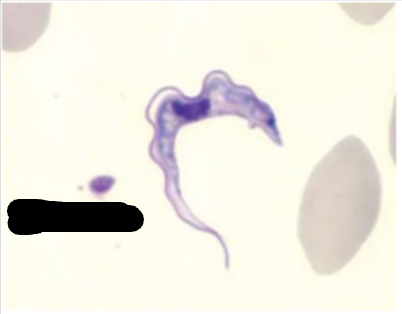
what is this
Trypanosoma —>
Parasitic Kinetoplastea part of excavata that have spiral or crystalline rods inside flagella. Blood-dwelling parasitic flagellate.
opisthokonts
part of unikonta, extremely variable

what is this
Diatoms —>
Single-celled stramenopile part of SAR clade possessing hairy and smooth flagella. Photosynthetic alga with a cell wall made of glass (silica).

what is this
Brown Algae —> stramenopiles part of SAR clade such as Sargassum that form important floating marine habitats and have hairy and smooth flagella

what is this
Dinoflagellates —>
Alveolate protists part of SAR clade with membrane-enclosed sacs beneath their plasma membrane. Causes red tides.
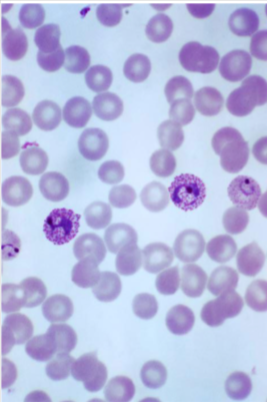
what is this
Plasmodium —>
Apicomplexan protists part of alveolates, part of SAR clade with membrane-enclosed sacs beneath their plasma membrane. Causes malaria.

what is this
Toxoplasma —> Apicomplexan protists part of alveolates part of SAR clade with membrane-enclosed sacs beneath their plasma membrane
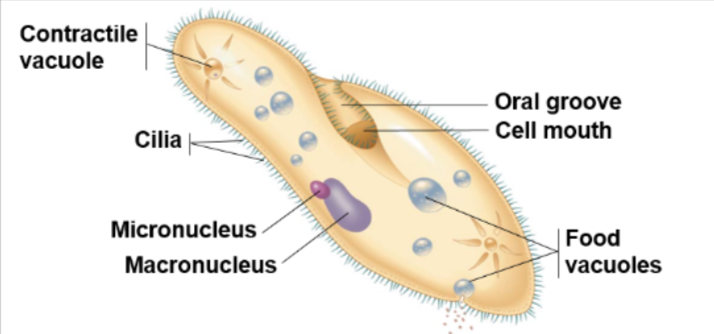
what is this
paramecium —> ciliate protists part of alveolates part of sar clade with membrane-enclosed sacs beneath their plasma membrane

what is this
Red algae, part of Archaeplastida, with a photosynthetic pigment. Most secondary endosymbiotic events have involved these kinds of algae.

what is this
green algae, part of Archaeplastida and has plant-type chloroplasts

what is this
Choanoflagellates —> opisthokont unikonta protists representing the closest living protistan relatives of animals.
X
X
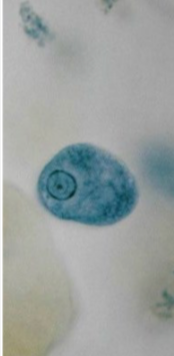
what is this
Entamoebas, part of amoebozoa, part of unikonts
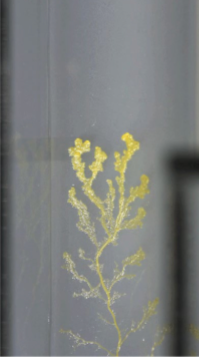
what is this
slime molds, part of amoebozoans, part of unikonts

what is this
amoebas, part of amoebozoans, part of unikonts
what is unique about Unikonts
we all have separate genes coding for DHFR and TS, which all other protists and plants dont
Charophytes
Green algae sharing a recent common ancestor with land plants and representing their closest living algal relatives.
Sporopollenin
A durable polymer coating gametes and spores in charophytes and land plants to prevent desiccation.
what were costs of moving onto land
risk of dehydration
first plants wont be tall
nutrients hard to get
what were benefits of moving onto land
unfiltered sunlight
lots of co2
little comp
qualities land plants have that charophytes dont
alternation of generations
multicellular, dependent embryo
cuticles and stomatas
Alternation of Generations plan
starting at sporophytes, these are diploid (2n)
through meiosis, they create spores (n)
through mitosis, they create gametophytes (n)
through mixture of sperm and egg gametophytes, they create zygotes (2n)
through mitosis, they create sporophytes (2n)
this is a process charophytes dont have
multicellular, dependent embryo
fertilized egg divides mitotically into sporophytes and stay in the parent plant for nourishment, also something charophytes dont have
Cuticle
protective waxy layer on leaves
stomata
microscopic holes in plants that regulate gas exchange and water loss
Bryophytes
Nonvascular seedless plants such as mosses
moss life cycle
male: develops into antheridia and creates sperm
female: develops into archegonia and creates eggs
fertilized eggs turn into mature sporophytes and then disperse spores
Pterophytes
Seedless vascular plants such as ferns
difference in life cycle between moss and ferns
sporophyte is dominant in fern life cycle, while gametophyte is dominant in moss
Pollen Grain
A microscopic male gametophyte surrounded by a protective wall that eliminates the requirement for liquid water during fertilization.
Gymnosperms
Vascular seed plants bearing naked seeds in cones
Angiosperms
Flowering plants that enclose their seeds within protective fruits to maximize pollination and seed dispersal efficiency.
Stigma
The female floral structure that receives pollen
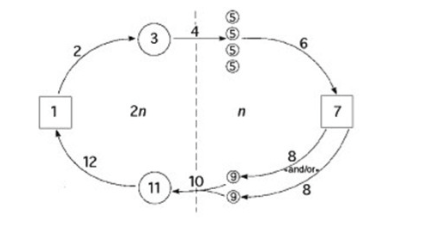
name 1-12
mature sporophyte
growth of mature sporophyte
sporangium
meiosis
spores
germination of spores
mature gametophyte
formation of gametes through meiosis
gametes
fertilization of egg and sperm
zygote
immature sporophyte grows through mitosis
what makes up fungi cell walls
chitin
Heterokaryotic Stage
A unique fungal life cycle phase following plasmogamy where cells contain two or more coexisting
Mycorrhizae
Mutualistic symbiotic associations between plant roots and soil fungal hyphae networks that significantly enhance nutrient and water absorption.
Lichens
composite organisms, or products of mutualistic interactions between fungi and cyanobacteria or green algae
Cordyceps
Parasitic fungi that infect insect host populations
what is something unique about fungi life cycles
a heterokaryotic stage
what do mushrooms do in some fungi life cycle
they are sexual structures that release spores